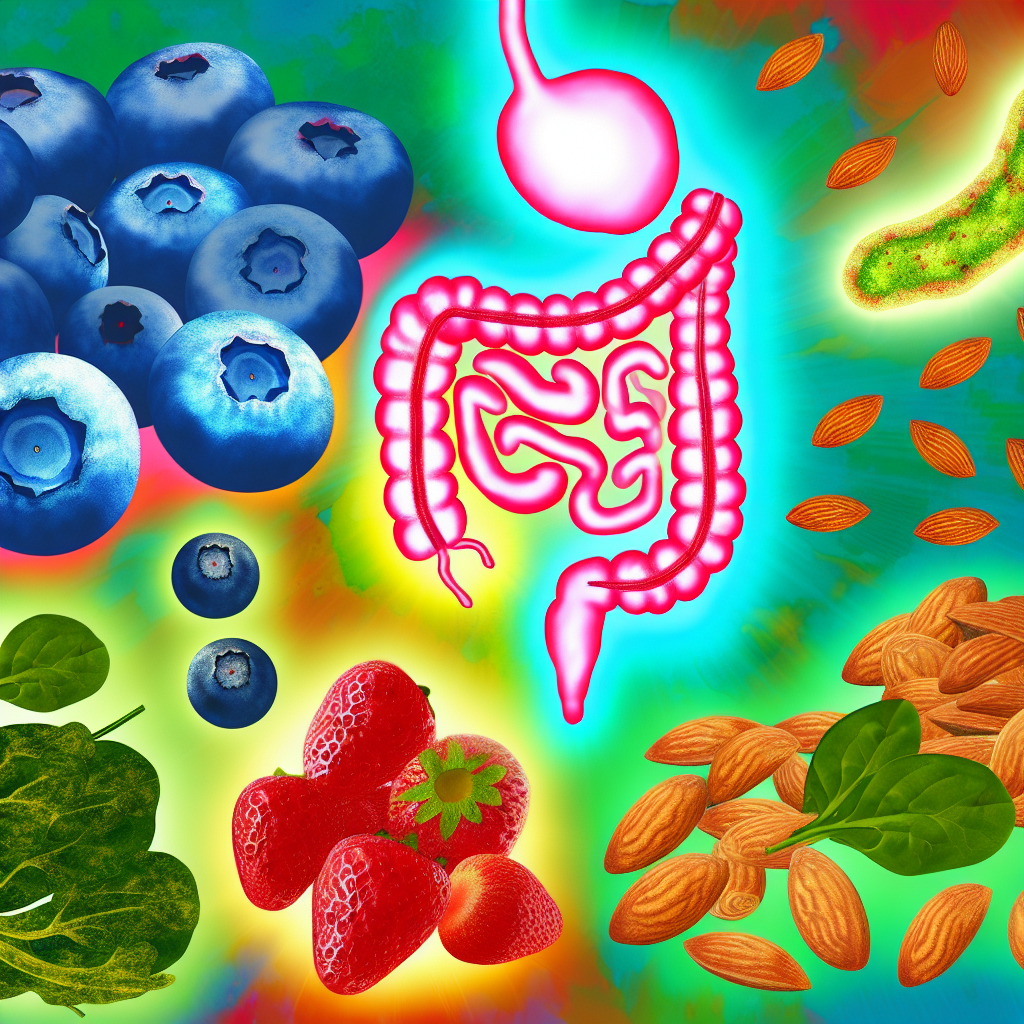
Triphala for Digestion – Ayurvedic Three-Fruit Formula
Introduction
Optimal digestion is foundational to overall health. A well-functioning digestive system allows the body to effectively absorb nutrients, expel waste, and maintain hormonal and immune equilibrium. As interest in natural wellness grows, traditional remedies from Ayurveda are seeing a resurgence. One of the most celebrated Ayurvedic formulas is Triphala, a powerful blend known for its gentle yet effective digestive benefits.
Triphala, meaning “three fruits” in Sanskrit, is made from the dried fruits of three indigenous Indian plants: Amalaki (Indian Gooseberry), Bibhitaki, and Haritaki. Used for over 2,000 years in Ayurvedic medicine, this herbal blend functions as a bowel tonic, digestive stimulator, and gastrointestinal cleanser.
What makes Triphala unique is its ability to harmonize all three doshas — Vata, Pitta, and Kapha. Each fruit offers distinct therapeutic properties, and together they synergistically cleanse and strengthen the stomach, colon, and intestinal walls. Unlike harsh laxatives, Triphala supports regularity without causing dependency or side effects.
Modern science aligns with traditional wisdom. Triphala is rich in antioxidants, flavonoids, polyphenols, and tannins—compounds associated with improved digestive and metabolic function. This evidence-based trust has made Triphala a go-to option in holistic and integrative medicine for managing common gut problems such as bloating, constipation, slow metabolism, and even inflammation.
Features – Scientific Support and Medical Insights on Triphala
Medical and clinical studies have begun to validate the traditional uses of Triphala, especially for digestive health. Here’s how science supports its various claims:
1. Digestive Function and Laxative Effect
A study published in the Journal of Alternative and Complementary Medicine highlighted how Triphala improved bowel movements in individuals with chronic constipation. Subjects reported better frequency, texture, and ease of evacuation without the typical side effects caused by pharmaceutical laxatives. This gentle action helps to naturally tone the intestinal muscles and encourage peristalsis without irritation.
2. Gut Microbiota Modulation
A 2016 study in Evidence-Based Complementary and Alternative Medicine found that Triphala promotes the growth of beneficial gut bacteria like Lactobacilli and Bifidobacteria, while inhibiting harmful strains such as E. coli. This prebiotic action enhances gut health, supports a balanced microbiome, and may even bolster immune response.
3. Anti-inflammatory and Antioxidant Effects
Rich in polyphenols and antioxidants, Triphala counters oxidative stress and inflammation within the gastrointestinal tract. A study in Phytotherapy Research showed its ability to protect the gut lining from radiation-induced damage and overall GI inflammation. This makes it particularly useful for those with IBS, IBD, or gastritis.
4. Gastroprotective Action
Triphala’s fruits — especially Amalaki — contribute to the protection and restoration of gastric lining. According to an article in The Indian Journal of Pharmacology, the formula reduces excess gastric acid and helps repair mucosal tissues, proving useful for individuals prone to ulcers or acid reflux.
5. Liver Detoxification and Digestive Enzyme Stimulation
Triphala supports liver function — essential for metabolizing waste and toxins. The high vitamin C and antioxidant content of Amalaki enhances bile production, improving fat digestion and overall nutrient absorption. This mechanism is especially important for people with sluggish digestion, fatty liver, or gallbladder issues.
Conclusion
Triphala remains a powerhouse of herbal support for digestive wellness. Its blend of three synergistic fruits nourishes the entire GI tract — cleansing, tonifying, and restoring natural function from stomach to colon. With extensive traditional use and increasing scientific validation, Triphala is emerging as a superior choice for those pursuing a holistic lifestyle.
Whether used as a powder in warm water, brewed as a digestion-soothing tea, or consumed in capsule form, Triphala integrates seamlessly into modern wellness practices. For best results, long-term use is often recommended. However, users should consult with healthcare practitioners—especially those with pre-existing health conditions or on medication—before starting any new supplement regimen.
Concise Summary
Triphala, a revered Ayurvedic blend of three fruits — Amalaki, Haritaki, and Bibhitaki — supports digestion by detoxifying and toning the GI tract naturally. Scientific research highlights its antioxidant, anti-inflammatory, laxative, and microbiome-balancing effects, making it effective against constipation, bloating, and gut inflammation. Unlike conventional laxatives, Triphala works gently and holistically without side effects. Modern integrative medicine now embraces Triphala for long-term gut health. Available as a powder, tea, or capsule, it fits easily into wellness routines. Always consult a healthcare provider before starting. Triphala offers a time-tested, science-backed approach to natural digestive wellness.
References
1. Mukherjee, P. K., Rai, S., Bhattachargee, S., Debnath, P. K., & Bhattacharya, S. K. (2006). Clinical study of ‘Triphala’ – A well known phytomedicine from India. The Journal of Alternative and Complementary Medicine.
2. Peterson, C. T., Denniston, K., & Chopra, D. (2016). Therapeutic uses of Triphala in Ayurvedic medicine. Evidence-Based Complementary and Alternative Medicine.
3. Sandhya, T. R., Mishra, K. P., & Marimuthu, I. (2006). Protective effect of Triphala on skin and intestinal epithelium against radiation-induced damage. Phytotherapy Research.
4. Sabu, M. C., & Kuttan, R. (2002). Antidiabetic activity of medicinal plants and its relationship with their antioxidant properties. The Indian Journal of Pharmacology.