Psyllium Husk for Constipation – Gentle Fiber Therapy
Introduction
Constipation is a common digestive condition that affects people of all ages. It typically involves infrequent bowel movements, difficulty passing stool, bloating, and abdominal discomfort. While there are various pharmaceutical options available, many health-focused individuals seek natural alternatives. **Psyllium husk**, a natural, plant-derived source of soluble fiber, has gained recognition for its gentle and effective ability to relieve constipation and improve gut health.
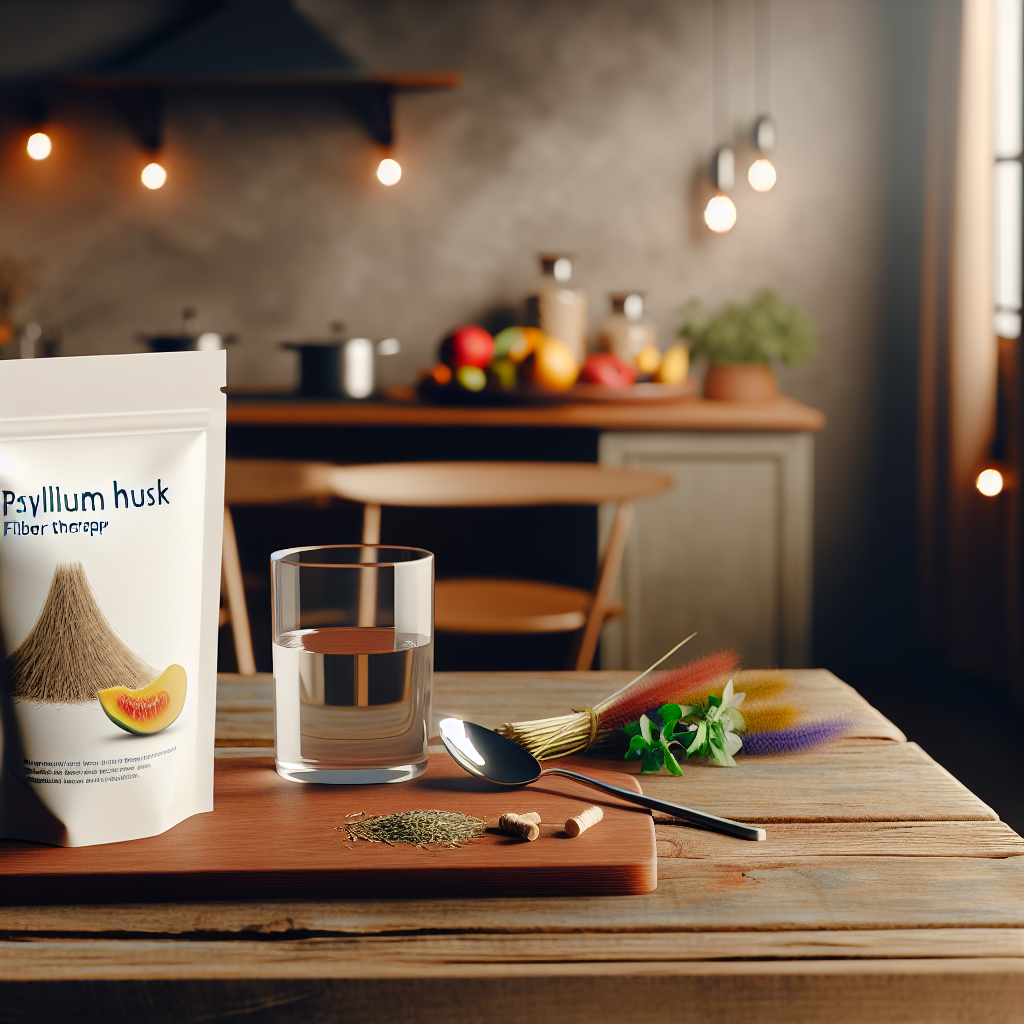
Derived from the seeds of the Plantago ovata plant, which is native to Asia, psyllium absorbs water and forms a gel-like substance in the intestines. This helps promote smoother and more regular bowel movements. Used in traditional medicine for centuries, psyllium is now commonly found in over-the-counter fiber supplements like Metamucil.
What makes **psyllium husk for constipation** particularly effective is its dual action. It increases stool bulk, which stimulates natural intestinal contractions, and simultaneously softens the stool, making it easier and less painful to pass. These effects make psyllium valuable not only for managing constipation, but also other digestive problems such as **diarrhea**, **irritable bowel syndrome (IBS)**, and **hemorrhoids**.
In addition to digestive benefits, psyllium supports overall wellness. Studies have linked it to lower **cholesterol levels**, better **blood sugar control**, and improved **satiety**, which may help with **weight management**. Its broad range of benefits makes it a powerful tool for anyone seeking to optimize their digestive health naturally.
As research continues to highlight the connection between **gut health**, immunity, mood, and chronic illness, incorporating psyllium husk into your daily routine can be a simple yet impactful strategy for improving well-being from the inside out.
Features and Supporting Research
The effectiveness of psyllium husk as a **natural fiber supplement for constipation** has been confirmed by numerous scientific studies. Unlike insoluble fibers that pass through the digestive tract largely unchanged, psyllium is a **soluble and fermentable fiber** that retains water and directly supports proper bowel function.
A meta-analysis published in the American Journal of Clinical Nutrition (2021) reviewed over 28 randomized controlled trials. It confirmed that psyllium significantly improves both **stool frequency** and **stool consistency** compared to insoluble fibers like wheat bran.
Additionally, a clinical trial in the journal Alimentary Pharmacology & Therapeutics (2000) demonstrated that psyllium supplementation increases stool output and speeds **colonic transit time** in individuals with chronic constipation. Participants taking 5 to 10 grams daily experienced significant improvement in **bowel regularity**—often within just three days.
A separate study in Gut (2002) compared psyllium to lactulose, a prescription laxative. The results showed that psyllium is equally effective in treating chronic constipation but with fewer side effects like gas and bloating, making it a **gentle alternative to laxatives** — especially for older adults or those sensitive to harsh interventions.
What makes psyllium especially unique among fibers is its **prebiotic effect**. It serves as a food source for beneficial bacteria in the gut, especially bifidobacteria. A study in the British Journal of Nutrition (2017) showed that chronic intake of psyllium leads to a significant increase in these health-promoting microbes. This contributes to better **gut microbiota balance**, which supports digestion, nutrient absorption, and immune strength.
Another advantage is psyllium’s role in maintaining intestinal hydration. When mixed with adequate water, psyllium creates soft, well-formed stools that reduce straining and discomfort. This is essential for people at risk of developing or exacerbating **hemorrhoids** or **anal fissures**, where soft stools are critical for healing and prevention.
Medical experts recommend starting with about 5 grams once daily and increasing gradually to 10–20 grams daily in divided doses. It’s vital to drink plenty of water when using psyllium, as insufficient hydration can cause intestinal blockage or worsen constipation.
Conclusion
**Psyllium husk** is a proven, safe, and effective natural remedy for addressing constipation and enhancing overall gut health. With extensive clinical research supporting its benefits, psyllium is more than just a fiber—it’s a daily tool for achieving digestive harmony. Unlike harsh laxatives, psyllium offers a **gentle, non-stimulant solution** that works with your body’s natural processes.
Whether added to smoothies, baked goods, or taken as a daily supplement, psyllium’s ability to improve **digestive function**, balance **gut flora**, and support overall wellness makes it a cornerstone of **natural digestive care**. Always consult a healthcare provider before beginning any supplement regimen to ensure it’s appropriate for your health needs.
Concise Summary
Psyllium husk is a natural, soluble fiber derived from the Plantago ovata plant. It effectively relieves constipation by adding bulk and softening stool without the harsh effects of laxatives. Supported by over 28 clinical trials, psyllium improves bowel regularity, supports beneficial gut bacteria, and helps manage symptoms of IBS, hemorrhoids, and diarrhea. It also contributes to heart health, blood sugar control, and weight management. Easy to incorporate into daily routines, psyllium provides a holistic, research-backed approach to digestive wellness, making it a beneficial supplement for anyone focused on improving gut health naturally.
References
– Jayaraj, R., et al. (2021). Dietary fiber supplementation for chronic constipation: A systematic review and meta-analysis. American Journal of Clinical Nutrition
– Müller-Lissner, S. A., et al. (2000). Effect of psyllium on stool weight and colonic transit. Alimentary Pharmacology & Therapeutics
– Marteau, P., et al. (2002). Comparative trial of lactulose and psyllium in the treatment of chronic constipation. Gut
– Lewis, S. J., et al. (2017). Effect of psyllium on gut microbiota in healthy adults: A randomized, placebo-controlled intervention study. British Journal of Nutrition

Dominic E. is a passionate filmmaker navigating the exciting intersection of art and science. By day, he delves into the complexities of the human body as a full-time medical writer, meticulously translating intricate medical concepts into accessible and engaging narratives. By night, he explores the boundless realm of cinematic storytelling, crafting narratives that evoke emotion and challenge perspectives.
Film Student and Full-time Medical Writer for ContentVendor.com