Digestive Bitters for Gut Health – Traditional Stimulant Medicine
Introduction
In today’s world of processed foods, erratic eating patterns, and ever-present stress, issues like bloating, indigestion, constipation, and irregular bowel movements affect millions globally. As a response, there’s a growing turn toward **natural remedies for digestion**, and one leading the resurgence is the use of **digestive bitters**.
Digestive bitters are herbs and plant extracts with naturally bitter flavors, traditionally used to **stimulate digestive function**. These remedies are deeply rooted in ancient healing systems like Ayurveda, Traditional Chinese Medicine (TCM), and European herbalism, where they were used to support **gut health, liver function**, and energy balance.
The underlying physiology is simple yet powerful: when bitter compounds touch taste receptors, they spark a **digestive reflex**. This includes the secretion of saliva, digestive enzymes, bile, and stomach acid—all key players in healthy digestion and nutrient absorption.
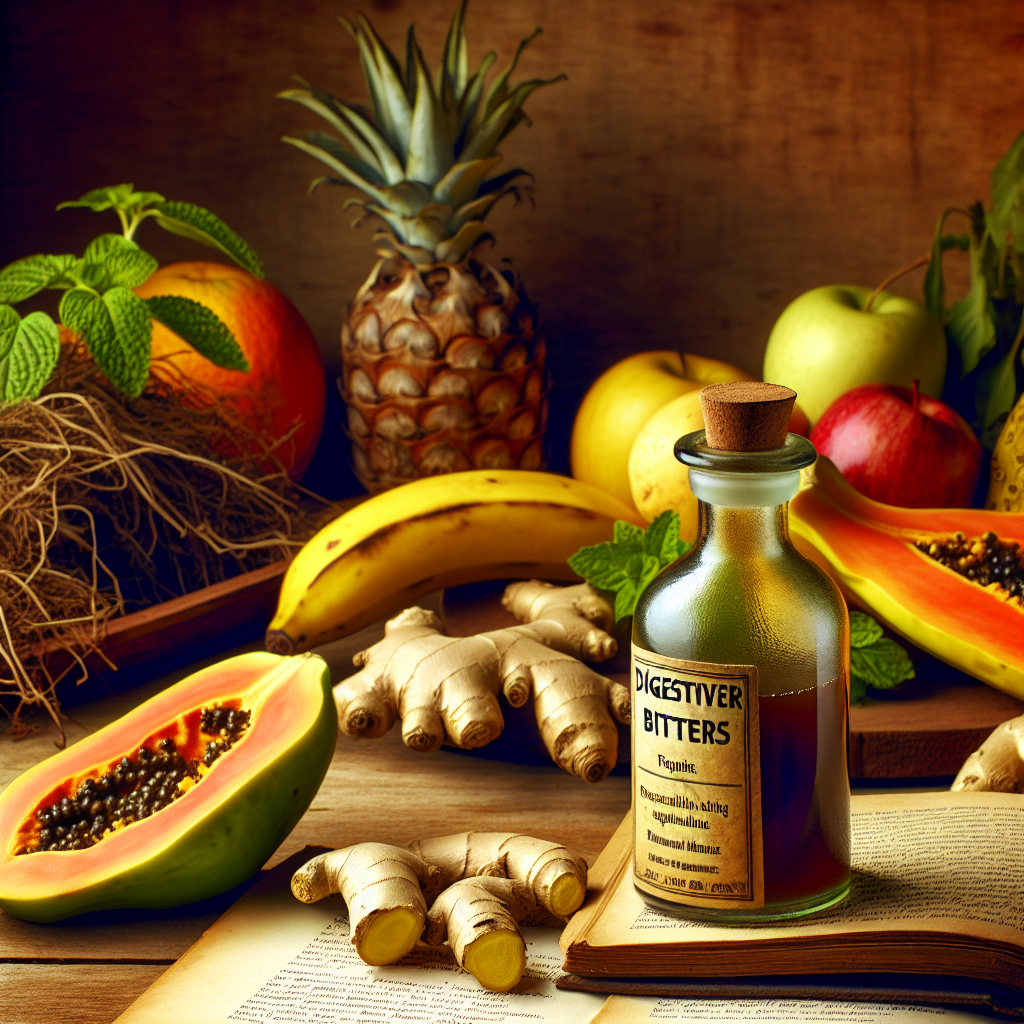
Examples of commonly used bitters include **gentian root, dandelion, artichoke leaf, wormwood, burdock, orange peel**, and **yellow dock**. Taking a small dose—about 10–30 drops in water—before meals can significantly improve bloating, digestion speed, and appetite.
What’s more, current research and integrative medicine highlight their added benefits. These include **enhancing gut flora, supporting hormonal health**, and even modulating mood through the **gut-brain axis**.
This therapeutic bridge between modern science and herbal tradition makes bitters not only effective but also a sustainable option for those seeking to optimize digestive wellness naturally.
Scientific Backing and Medical Features
For centuries, digestive bitters were valued solely through traditional use. However, scientific research is now catching up to confirm these benefits, especially concerning their effects during the cephalic phase of digestion—a process that begins when the taste of food triggers bodily secretions necessary for digestion.
Bitter taste receptors (TAS2Rs) have been found not only on the tongue but also throughout the **digestive tract**—including the stomach, pancreas, and intestines. These receptors play a central role in prompting **gastric secretions and motility**, helping prepare the gastrointestinal system for efficient processing of food. A 2010 study in Frontiers in Physiology explains that activating these receptors affects enzyme release, motility, and satiety regulation (Zhang et al., 2010).
Herbs like gentian root have been clinically shown to stimulate **gastric and pancreatic secretions**, which boost digestive power. A review in Phytotherapy Research (Mills & Bone, 2013) emphasizes its usefulness in enhancing bile flow and improving appetite regulation.
Likewise, artichoke leaf extract has proven to help individuals with **functional dyspepsia**. A double-blind study published in Alimentary Pharmacology & Therapeutics found marked improvements in symptoms like fullness and bloating in patients after just four weeks of supplementation (Bundy et al., 2004).
Another important function of bitters is promoting **bile production**. Bile, produced by the liver and stored in the gallbladder, is vital for the **digestion of fats and detoxification**. Bitters like dandelion root and yellow dock increase bile secretion, aiding not only digestion but also reducing liver sluggishness, constipation, and even skin issues.
Recent research also indicates their effect on the **gut microbiome**. A 2021 study in Nutrients reports that bitter compounds reduce colon pH, enhance secretion, and limit the overgrowth of gas-producing bacteria—thereby creating a healthier gut environment (Katz et al., 2021).
Even more compelling is the role bitters play in the **gut-brain axis**, influencing neurotransmitter production and reducing symptoms of nausea and anxiety. Because of their interface with both enteric and central nervous systems, bitters may offer promise in regulating **mood, digestion, and appetite** in tandem.
Conclusion
Digestive bitters are more than historical relics—they are **scientifically supported herbal remedies** that activate essential digestive responses from the moment they touch the tongue. By boosting saliva, enzyme, and bile secretion, they support a wide array of functions including **nutrient absorption, liver detoxification, microbial balance, and mood regulation**.
Unlike symptom-masking over-the-counter digestive aids, bitters work with the body’s own mechanisms, making them ideal for long-term **gut health**. Whether you’re managing bloating, fatigue after eating, sluggish bowel movements, or even skin and hormonal imbalances, daily use of bitters could provide a safe and effective natural solution.
Honor both traditional knowledge and cutting-edge science by incorporating bitters into your wellness routine. Their effects, from **enhanced digestion to improved vitality**, make them one of nature’s simplest yet most powerful remedies.
Concise Summary
Digestive bitters are herbal extracts that stimulate the digestive system via bitter taste receptors. Supported by both traditional use and scientific studies, they help increase saliva, stomach acid, digestive enzymes, and bile secretion, thereby enhancing digestion, liver detox, and nutrient absorption. Common bitters include gentian root, dandelion, and artichoke leaf. They also support the gut microbiome and influence mood via the gut-brain axis. Used before meals, bitters offer a simple, effective, and natural way to improve digestive health and overall wellness. Research continues to validate their far-reaching effects on the digestive tract and beyond.
References
– Zhang, Y., Hoon, M. A., et al. (2010). Coding of sweet, bitter, and umami tastes: different receptor cells sharing similar signaling pathways. Frontiers in Physiology
– Mills, S., & Bone, K. (2013). Principles and Practice of Phytotherapy: Modern Herbal Medicine. Churchill Livingstone.
– Bundy, R., et al. (2004). Artichoke leaf extract improves symptoms of patients with functional dyspepsia. Alimentary Pharmacology & Therapeutics
– Katz, D. L., et al. (2021). The role of bitter taste receptors in nutrition and health. Nutrients
– Bone, K., & Mills, S. (2013). The Essential Guide to Herbal Safety. Elsevier Health Sciences.

Dominic E. is a passionate filmmaker navigating the exciting intersection of art and science. By day, he delves into the complexities of the human body as a full-time medical writer, meticulously translating intricate medical concepts into accessible and engaging narratives. By night, he explores the boundless realm of cinematic storytelling, crafting narratives that evoke emotion and challenge perspectives.
Film Student and Full-time Medical Writer for ContentVendor.com